
Hard or Soft?
Let your baby explore a soft banana and a firm teething biscuit through touch, taste, and sound.
- 6 months
- Quick prep
- At home
- About 5 minutes
Developmental benefits
- Cognitive:Comparing the feel and sound of a soft food with a firm one helps your baby begin noticing a meaningful contrast.
- Language:Hearing short words such as “soft” and “firm” during the experience helps your baby connect language with what they sense.
Preparation
What You’ll Need
- 1
A banana
- 2
a firm teething biscuit
Step 1
The Banana Feels Soft
Place the banana and teething biscuit in front of your baby and ask, “Which one would you like first?” Give them time to reach and choose. If they choose the banana, let them taste it and say simply, “The banana is soft.”
What to notice
- Mouths or bites the banana and notices its soft texture
 Emergent Mathematical Thinking
 - Reaches for the food they want
 Communicating and Speaking
Tips
- Cut age-appropriate fruit into pieces your baby can grasp and eat safely.
- Your baby can also press a banana piece with their fingers and watch it flatten as they explore what “soft” feels like.
- At six months, babies often explore texture with their mouth and tongue, noticing contrasts such as soft and firm or smooth and rough.
Step 2
The Teething Biscuit Feels Firm
Point to the teething biscuit and invite your baby to reach for it. Once they pick it up, let them mouth or bite it and say, “The teething biscuit is firm.” The short description connects the sensation with a word.
What to notice
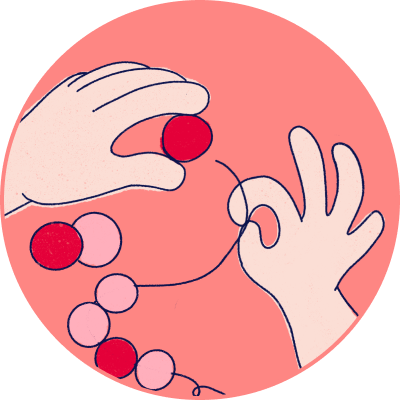
- Mouths or bites the teething biscuit and notices its firm texture Emergent Mathematical Thinking
- Grasps the teething biscuit
 Fine Motor
Tips
- If you do not have a teething biscuit, use another age-appropriate firm food your baby already eats.
- If your baby loses interest, gently bring the teething biscuit near their lips and say with emphasis, “Firm!”
- If your baby does not want to hold it, demonstrate a small bite and say, “Take your time. I’m right here.”
Step 3
Listen to the Different Sounds
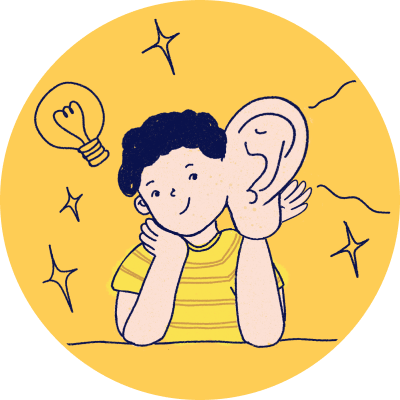
Tap the banana and the teething biscuit on a plate one at a time and invite your baby to listen. Describe the contrast simply: “The soft banana makes a quiet sound. The firm biscuit makes a louder sound.” You can compare other familiar soft and firm objects in the same way.
What to notice
- Turns to look when they hear you speak
 Attending and Understanding
 - Watches you tap the plate and listens for the sound
 Exploration and Discovery
Tips
- At six months, babies are beginning to notice differences in sounds, including high and low, quiet and loud, and familiar and unfamiliar voices.
- Everyday pairs such as a sponge and spoon or a cushion and block offer more ways to explore soft and firm textures.
- If your baby is interested, let them tap the teething biscuit on the plate and listen to the sound.
Better Parenting Content Team · Updated September 11, 2026