
Follow the String at Home
Tie a long string to familiar toys and lead it through different parts of your home. Your child can follow it on foot or on hands and knees to discover where each toy is hiding.
- 15 months
- Some prep
- At home
- About 5 minutes
Developmental benefits
- Movement:Following the string to find toys invites your child to climb up and down, crawl around obstacles, and explore different routes through the room.
- Cognitive:Wondering where the string leads and searching for the next toy encourages your child to stay curious and continue exploring.
Preparation
What You’ll Need
- 1
A long piece of string secured through several rooms
- 2
Familiar toys attached to the string at different stops
Step 1
A String on the Toy?
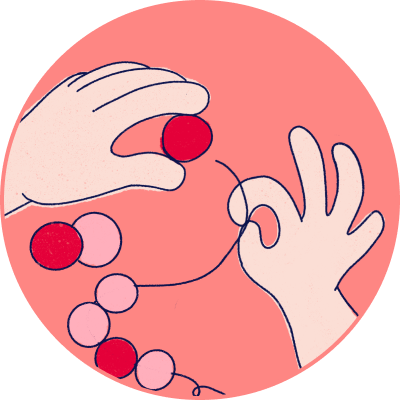
A string wrapped around a familiar toy may look surprising. Give your child time to study and touch it, and see whether they begin following the string. If they do not notice where it leads, gently pull the far end so the toy moves, then invite them to follow the line.
What to notice
- Touches the string after noticing it on the toy
 Initiative and Curiosity
 - Pulls on the string attached to the toy
 Fine Motor
Tips
- Your child may want to remove the string from the toy. Follow that idea first and offer a little help if needed before moving on.
Step 2
Climb Up, Climb Down
Follow the string into the bedroom, where a toy is waiting on the bed. Your child may be eager to reach it. Stay nearby and offer as much help as they need to climb up and down. Then return to the string and look for the next toy.
What to notice
- Climbs onto the bed to reach a toy
 Gross Motor
 - Points toward the toy on the bed to show that they want it
 Communicating and Speaking
Tips
- Each time the string enters a new room, name the place and nearby furniture so your child can grow familiar with the home while playing.
Step 3
A Toy Under the Table
Keep following the string—the next toy is under the dining table. Pause to see how your child tries to reach it through the chairs. Follow their movements by helping shift a chair or shielding their head when needed.
What to notice
- Crawls under the table to reach a toy Gross Motor
- Smiles or shows excitement after reaching the toy
 Emotional Functioning
Tips
- Name the furniture and position as your child moves: “You crawled past the chair and under the table.”
Better Parenting Content Team · Updated September 11, 2026